Early literacy instruction is full of small decisions that have a lasting impact. One such decision is which letter formation to introduce first — lowercase or uppercase.
At first glance, this may seem like a sequencing choice. In reality, it is a conceptual and developmental decision that shapes how children understand written language.
As educators, we often focus on what to teach.
The deeper question is why.
- Where will children actually use letter formation?
- What do letters finally help us create?
👉 The answer is simple: letters form words.
And the first words children learn are usually common nouns — cat, dog, ball, school — all written in lowercase.
Words Are the Purpose of Letter Formation
Letters are not learned in isolation. Children learn them to read and write meaningful words.
Now consider this carefully:
If we principally teach uppercase letters first, children often begin writing words as:
Apple, Ball, Cat
While this may look visually neat, it is technically incorrect. These are common nouns, and they should not begin with capital letters.
👉 Are we unintentionally creating a misconception about how written language works?
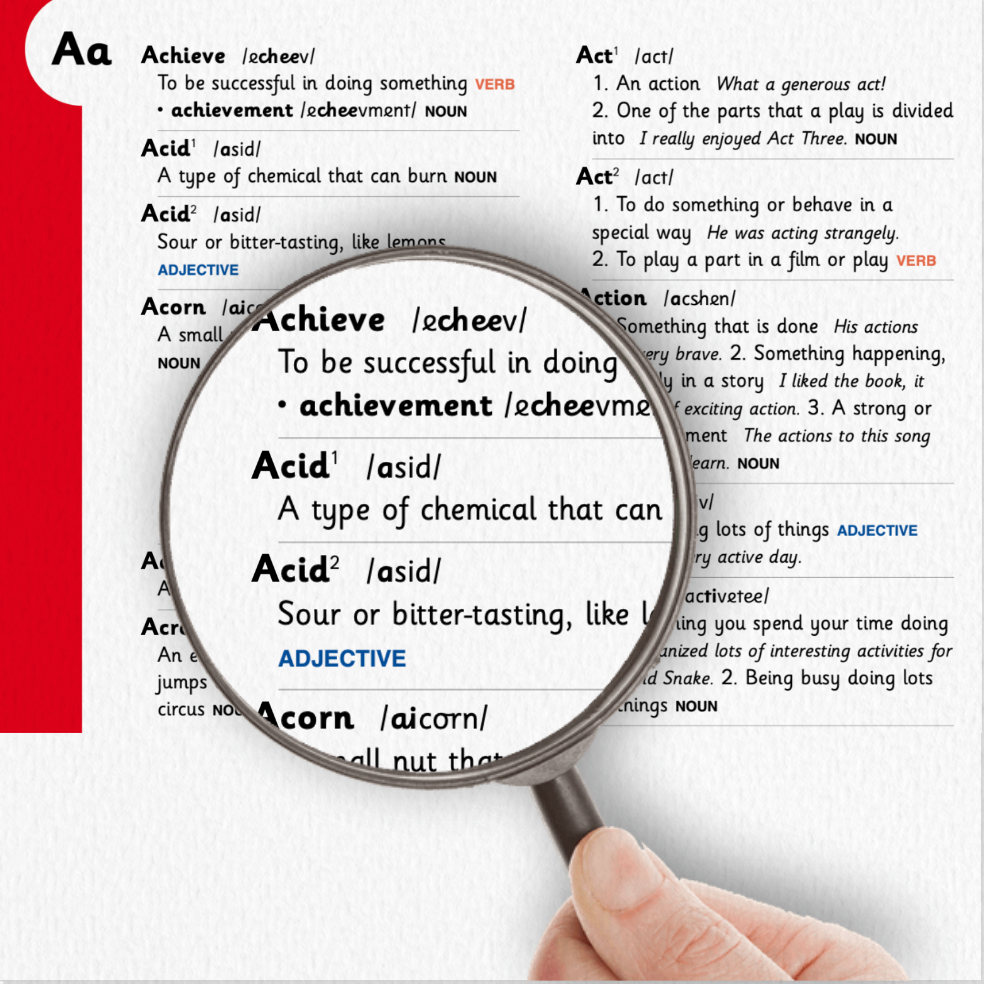
Caption:
A dictionary uses capital letters as a formatting convention, not as a rule for how children should write common nouns.
This image is powerful because it shows where confusion can arise. Dictionaries list words in capital letters for organisational purposes, but children may generalise this incorrectly if uppercase letters are taught first.
Why Lowercase Letters Make Pedagogical Sense
Most research-based literacy approaches recommend starting with lowercase letters, and the reasons are both practical and developmental.
1. Prevalence in Print
The majority of text children encounter — books, charts, worksheets, labels — is written in lowercase.
2. Alignment with Phonics
Phonics instruction connects sounds to symbols, and these sound–symbol relationships are almost always introduced using lowercase letters.
3. Visual Distinctiveness
Lowercase letters have more unique shapes, making them easier to distinguish from one another.
4. Motor Development
Young children naturally find curves and circular movements easier than straight lines and sharp angles.
Cognitive Load in Letter Formation
Letter formation is not just a handwriting task — it involves memory, sequencing, and motor planning.
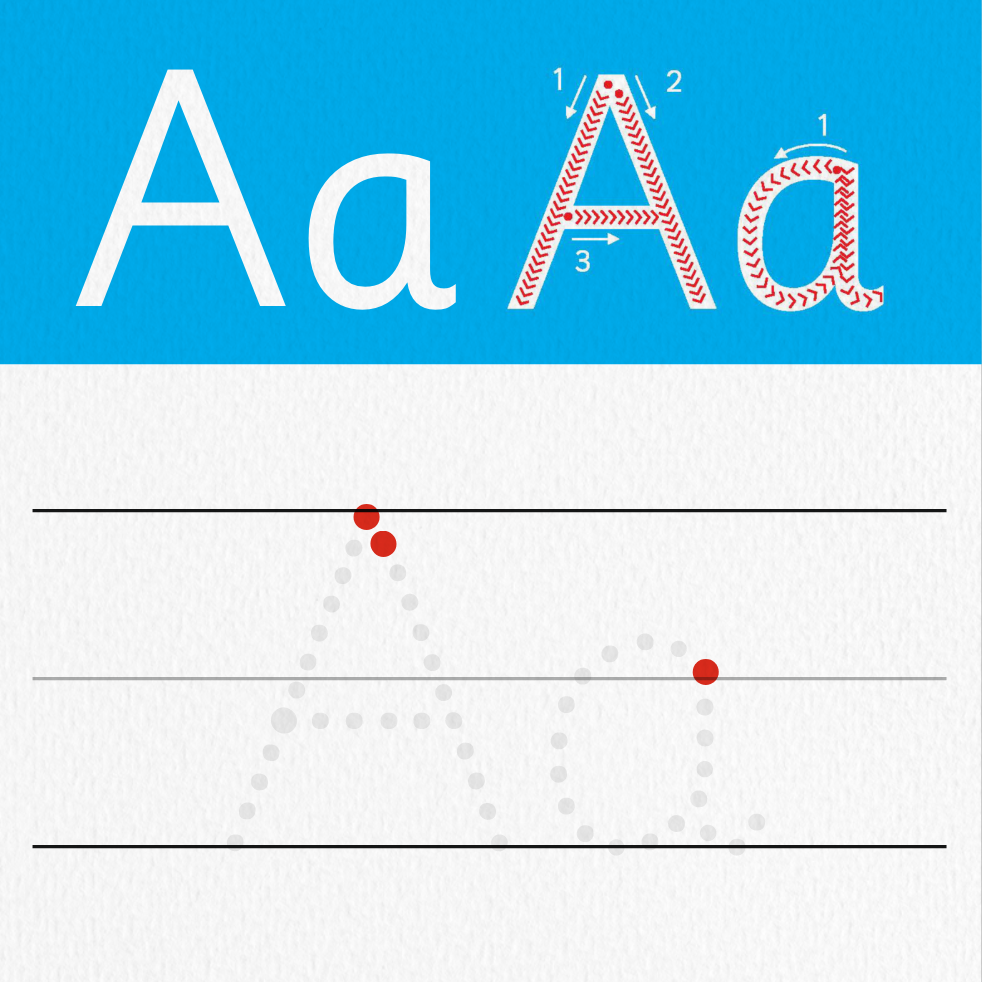
Caption:
Lowercase letters often require fewer steps, reducing memory load for early learners.
Take a simple example:
- Lowercase ‘a’ is typically formed in one continuous step
→ one movement to remember - Uppercase ‘A’ usually requires three separate steps
→ three movements to recall
That’s 1-step remembrance vs 3-step remembrance.
For an early learner:
- Fewer steps mean lower cognitive load
- Lower cognitive load supports fluency
- Fluency builds confidence
Children Naturally Begin with Curves
Observe any young child with a crayon or pencil.
Before they draw lines or angles, they almost always begin with circles, loops, and rounded scribbles.

Caption:
Circular and curved movements emerge naturally before straight lines in early motor development.
Lowercase letter formation aligns closely with this natural developmental progression.
A Cross-Linguistic Insight: Indian Scripts
Interestingly, this preference for curves is not limited to English.
Many Indian scripts — including Devanagari, Bengali, and Tamil — are rich in rounded and flowing forms.
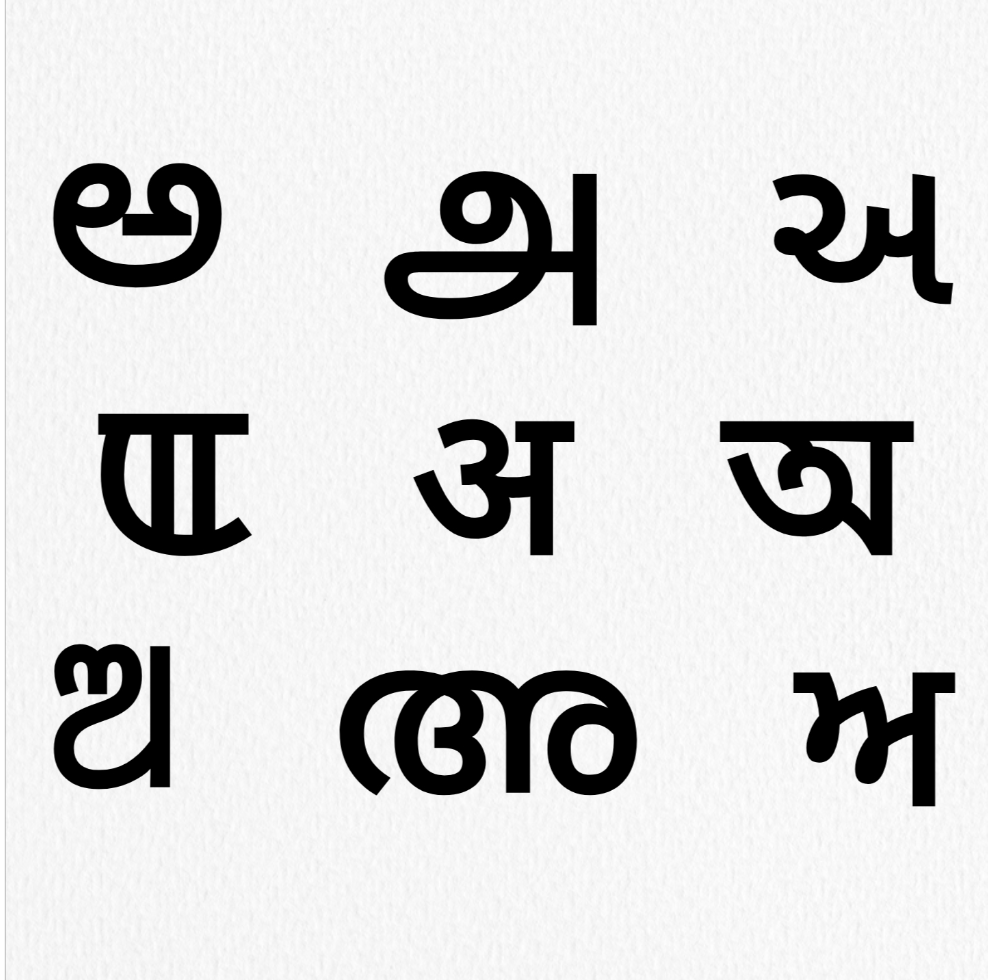
Caption:
Rounded letterforms are a common feature across many Indian writing systems, aligning with early motor development.
This reinforces the idea that curves are developmentally more accessible for young learners across languages.
Where Do Uppercase Letters Fit In?
Uppercase letters are important — but their use is contextual:
- Proper nouns (names)
- Sentence beginnings
- Titles and emphasis
Conceptually and developmentally, uppercase letters make far more sense after children understand:
- How words are formed
- How common nouns work
- How meaning changes in sentences
A Small Decision with a Big Impact
📌 Teaching which letter formation comes first is not a minor choice.
It shapes:
- How children understand words
- How they internalise language rules
- How confidently they write
When instruction aligns with real language use and child development, children don’t just learn to write — they learn to think in print.
Reflection for Educators
👉 How do you introduce letter formation in your classroom?
Lowercase first — or uppercase first?